
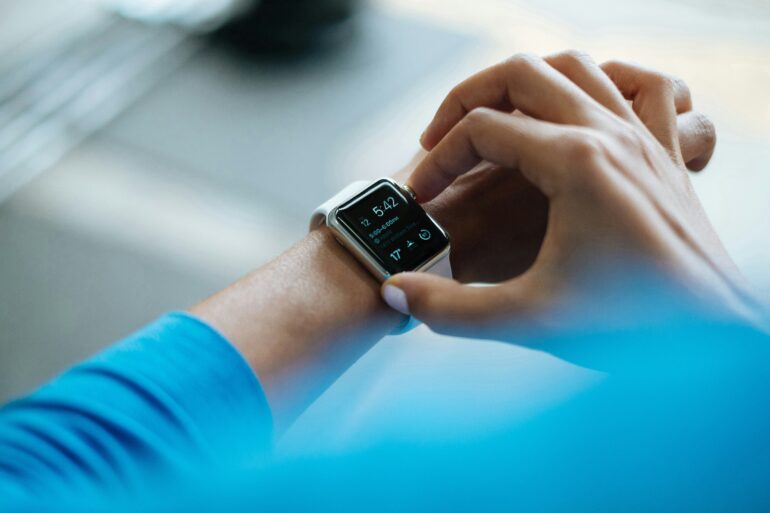
For years, the gold standard of daily fitness was hitting that magic number of ten thousand steps. People would pace around their living rooms right before bed just to make their wristband vibrate. While getting people moving is always a good thing, measuring overall health solely by walking distance leaves out crucial data. The human body operates as a complex system of intertwined metrics, and a simple step counter fails to capture the true picture of physical well-being. If you want to build a platform that truly impacts user health, you have to look past the pedometer. Partnering with a skilled mHealth app developer can help you integrate advanced tracking features that offer a holistic view of wellness. By capturing a wider array of data points, your application becomes a daily health companion rather than a simple digital tally counter.
Steps Don’t Tell the Whole Story About Intensity
Steps simply don’t equal intensity. A leisurely stroll through the park doesn’t challenge the cardiovascular system the same way a twenty-minute sprint session does, yet a basic pedometer rewards the long, slow walk much more. Users who prefer weightlifting, cycling, or yoga often find themselves frustrated when their intense workouts barely register on a step-focused application. This narrow focus alienates a large portion of the fitness community and fails to reward actual exertion. To keep users engaged, an application needs to track heart rate zones, active calories burned, and overall exertion levels during various types of exercise. When your software recognizes that a grueling forty-minute rowing session holds immense value despite generating zero steps, you validate the user’s hard work and encourage them to keep pushing toward their goals.
Prioritizing Sleep and the Recovery Process
Fitness doesn’t just happen in the gym. The actual physical progress occurs while the body rests. If your platform only tracks movement, you’re missing the most critical phase of physical improvement. Integrating sleep tracking allows users to see exactly how their nighttime habits affect their daytime performance. Measuring sleep cycles, resting heart rate, and overnight oxygen levels provides actionable insights. A user who walked fifteen thousand steps but only slept four hours isn’t actually healthy; they’re exhausted. When an app connects poor sleep to sluggish workout performance the next day, it teaches users to value recovery just as much as physical activity. Providing gentle reminders to wind down or offering insights into how late-night screen time ruins deep sleep transforms your software into a comprehensive wellness guide.
Monitoring Heart Rate Variability and Stress
Mental and physical health are deeply connected, which means stress management plays a huge role in overall fitness. Tracking heart rate variability offers a fascinating window into the user’s nervous system. It shows how well the body handles stress and recovers from daily challenges. When an application monitors this specific metric, it can warn a user when they’re pushing too hard. Instead of encouraging a tired user to run another five miles just to hit an arbitrary daily goal, a smart platform might suggest a restorative yoga session or a simple breathing exercise. This nuanced approach prevents burnout, reduces the risk of injury, and shows the user that your software actually cares about their long-term well-being rather than just pushing them to work harder every single day.
Fueling the Body Through Nutrition and Hydration
You can’t out-train a bad diet. A fitness tool that ignores food and water intake gives users an incomplete roadmap to their goals. Integrating nutrition tracking helps people understand the direct relationship between what they consume and how they feel during their workouts. Logging water intake, macronutrients, and meal timing allows the software to offer highly personalized recommendations. If someone consistently struggles through their afternoon workouts, the data might reveal they aren’t eating enough carbohydrates beforehand or they’re failing to drink enough water throughout the workday. Connecting these dots turns a basic tracker into a valuable lifestyle coach. It helps users build better habits in the kitchen, which directly fuels their success in the gym.
Fostering a Supportive Community Environment
Even the most dedicated individuals experience days where they don’t want to exercise. A solitary step counter doesn’t offer much encouragement when motivation runs low. By designing a platform that goes beyond basic tracking, you can foster a supportive community environment. When an application tracks different types of activities, users can connect over shared interests like cycling routes, weightlifting milestones, or meditation streaks. Allowing users to share their complete wellness journey creates a supportive network where friends can celebrate diverse achievements. A user might fall short of ten thousand steps, but their friends can still cheer them on for hitting a new personal best on the bench press or successfully completing a week of mindful breathing exercises. This social integration builds accountability and keeps users emotionally invested in the platform.
Building Long-Term Engagement and Retention
From a business perspective, a platform that only counts steps gets boring very quickly. Once a user establishes a walking routine, they often stop checking the application because the data never changes. To build long-term retention, you need to offer dynamic, ever-evolving insights. When your software analyzes sleep, stress, nutrition, and exertion, it provides fresh feedback every single day. Users keep coming back because the platform continuously teaches them something new about their own bodies. This deep level of personalization transforms a disposable download into an indispensable daily tool. Building a comprehensive health tool requires technical expertise, a deep understanding of human physiology, and a commitment to genuine wellness. By stepping away from the outdated pedometer model, you can create a dynamic platform that truly changes lives and keeps users engaged for years to come.