
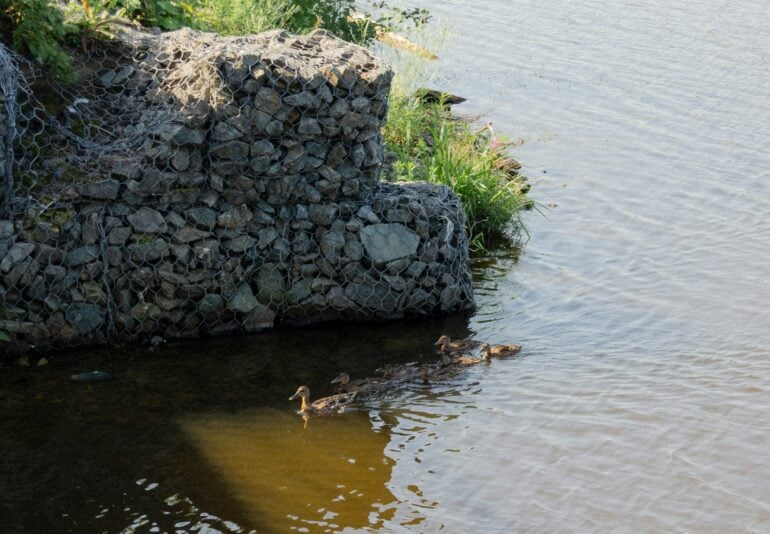
Building a retaining wall, a decorative garden feature, or a sturdy seating area often calls for materials that blend durability with natural beauty. If you’re looking into landscaping solutions, you’ve probably noticed the growing trend of wire mesh enclosures. These versatile structures, known as gabion baskets, offer incredible structural support and excellent drainage.
But the true appeal of these wire containers lies in what you put inside them. While the mesh provides the framework, the filler material dictates the entire look, feel, and function of the finished project. Choosing the right filler isn’t just about grabbing the nearest pile of rocks. The material you select needs to withstand the elements, fit the mesh openings properly, and complement your overall design vision. Let’s explore some of the best materials you can use to fill your wire enclosures, ranging from traditional stones to highly creative alternatives.
The Classic Choice: Natural Stone
When most people picture these wire structures, they envision them filled with natural stone. Stone is the traditional choice for a very good reason. It provides substantial weight, which is critical if you’re building a retaining wall designed to hold back earth.
- River Rock: For a smooth, rounded appearance, river rock is a top contender. These water-worn stones come in beautiful shades of gray, tan, and brown. They create a very clean, organic look that blends perfectly into garden settings or water features. Because they’re smooth, they settle nicely into the enclosures without leaving large, jagged gaps.
- Crushed Stone: If you prefer a more rugged, angular look, crushed stone is the way to go. Angular stones lock together tightly when packed, creating a very stable and rigid structure. This interlocking property makes crushed stone an excellent choice for structural walls where stability is the primary concern. Granite and limestone are popular crushed options because they resist weathering and hold their color well over time.
- Fieldstone: Gathered from the surface of the ground, fieldstone offers a highly rustic and natural appearance. These stones are usually flatter and more irregular than river rocks, allowing for a hand-stacked look if you take the time to arrange the visible outer edges carefully.
Eco-Friendly and Recycled Materials
Landscaping is increasingly moving toward sustainable practices, and your filler choice can reflect that. Using recycled materials keeps waste out of landfills and often saves you money in the process.
- Recycled Concrete: If there’s a demolition site nearby, you can often source broken concrete chunks for a fraction of the cost of natural stone. Once loaded into the wire mesh, the jagged edges of the concrete provide excellent stability. To soften the industrial look, many landscapers mix recycled concrete with a facing layer of natural stone, putting the attractive rocks on the visible outer edges and hiding the concrete in the middle.
- Reclaimed Brick: Old, tumbled bricks offer a fantastic rustic aesthetic. The warm red and orange tones pop beautifully against green landscaping. Bricks are highly uniform, making them easy to stack neatly inside the wire framework. This creates a more structured, orderly appearance compared to random rubble. Just ensure the bricks are whole or large enough so they don’t slip through the mesh openings.
Creative and Unconventional Fillers
If your project is purely decorative rather than structural, you can get incredibly creative with your filler materials. Since the wall won’t need to hold back tons of earth, you can focus entirely on visual impact.
- Glass Slag: For a truly striking feature, consider using large chunks of recycled glass, often called glass slag. Available in vibrant blues, greens, and clear tones, glass chunks catch the sunlight during the day. If you run LED light strips through the center of the enclosure before adding the glass, you can create a glowing, illuminated feature that looks spectacular at night.
- Wood Logs: Cut logs or thick branches offer a warm, cabin-like aesthetic. By stacking uniform lengths of wood within the wire enclosure, you create a beautiful textured wall. However, keep in mind that wood will eventually rot when exposed to rain and soil. This makes it a better choice for temporary installations or dry, covered areas where moisture isn’t a constant threat.

Key Factors to Consider Before Buying
Before ordering a truckload of material, you must evaluate a few practical details to ensure your project goes smoothly.
- Mesh Size: First and foremost is the size of the filler. The rocks or materials you choose must be larger than the grid openings of your wire mesh. If your mesh has three-inch holes, buying two-inch gravel will result in a messy pile of spilled rocks.
- Climate Durability: You also need to think about long-term durability. If you live in an area with harsh freeze-and-thaw cycles, porous materials like certain types of sandstone might crack and crumble over time. Always select a filler that can endure your specific local climate.
- Material Weight: Consider the logistics of moving the material. Filling these structures requires a lot of volume. You’ll be moving thousands of pounds of material by hand or with a skid steer. Make sure your base can support the weight, and that you have the manpower to handle the installation.
- Budget: Natural stone sourced from a distance will carry high shipping costs. Sourcing materials locally, whether it’s fieldstone from a nearby quarry or recycled concrete from a local contractor, will keep your budget intact.
Designing Your Perfect Landscape
The beauty of these wire landscaping features is their immense versatility. By carefully selecting your filler material, you can tailor the exact look and function of your project. Whether you opt for the timeless appeal of river rock, the structured look of reclaimed brick, or the striking glow of recycled glass, the right filler turns a simple wire box into a stunning landscape focal point. Plan your materials carefully, keep your environment in mind, and enjoy building a feature that will last for decades.