
Let’s be honest—getting people together for a chat these days is a bit harder than it used to be. Schedules, shyness, and, let’s face it, the appeal of comfy slippers can keep us apart. That’s one big reason podcasting is catching on, even in senior living communities. It’s a new way to swap stories, share laughs, and keep everyone connected (all from the comfort of your favorite chair).
Not techy? Doesn’t matter. Starting a podcast is easier than you think, and it’s actually pretty fun—especially once you get rolling. Here’s what I wish someone had told me before I started mine.
Find Your Purpose (The Fun Part!)
Before you touch a microphone, just chat with friends and neighbors about what you’d like to share. Is your podcast all about community news? Resident spotlights? Silly childhood stories? Or maybe you want to tackle big topics one week and trade baking tips the next. You can look for lists of episode ideas if you need a jumpstart.
The best advice? Start small and let things evolve. Maybe you kick off with a group chat about “first jobs” and see where it goes. It doesn’t have to be formal—sometimes the most genuine conversations are the ones that start with “Remember when…”
Gather Your Gear (It’s Not as Scary as It Sounds)
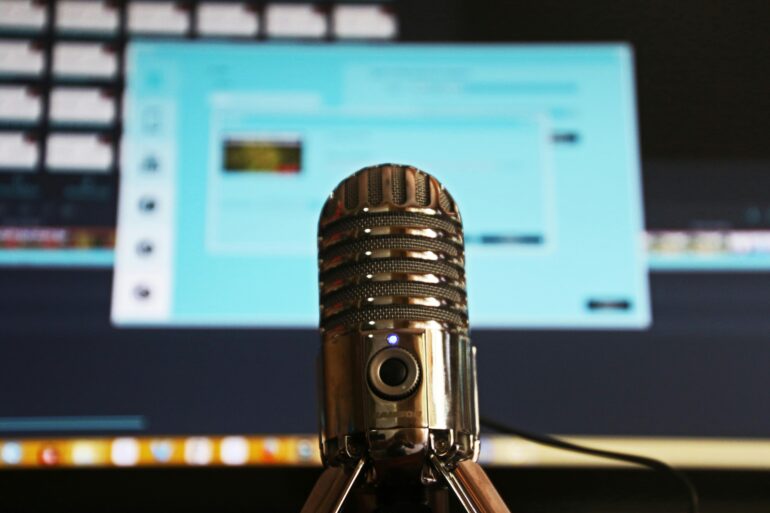
Forget fancy studios—you don’t need one. Most smartphones are good enough to record, and if you’re feeling a bit fancy, a little USB microphone is a cheap upgrade. Choose a quiet space. Closets work great if you want to avoid background noise. Even basic earbuds with a mic will do in a pinch.
Plug in, say hello, and see what happens. If you record a few “practice” episodes first, it takes the pressure off. People relax faster when they know it’s not live—trust me.
Record and Edit—Simple Is Best
Don’t let editing your podcast scare you. Many programs are free and easy for beginners. All you really need to do is tidy up really long pauses, coughs, or any unexpected interruptions. If you mess up, just laugh and keep rolling—real moments actually make your podcast more fun to listen to. Perfection isn’t the goal; real connection is.
Share the Spotlight & Build a Routine
Rotate hosts, invite staff or visiting family, or try segment themes. Love music? Monthly music memories show. Know a resident with a secret pie recipe? Interview them for a “Recipe Roundtable.” NPR’s guide to getting a podcast started is full of tips on making guests feel comfortable and coming up with future episodes.

Try to keep episodes to a length people actually want to listen to—under 30 minutes is great, but sometimes shorter is even better. Ask listeners for suggestions, or even run a poll on what topics folks want next.
How to Share Your Podcast
After you’ve recorded something you like, you can host it on free sites or simple community-sharing platforms. You might email out a link, post it on your community bulletin board, or play it over the speakers during lunch.
Give It a Go—Your Community Will Thank You
At the end of the day, podcasting is about connection—filling rooms with stories and laughter, whether you’re listening in sneakers or slippers. All it takes is a little curiosity and the push of a “record” button. You’ll be surprised by how much your neighbors have to share (and how much fun you have along the way). Happy recording!