
Clearing out a living room, staging a move, or doing a full home cleanout all raise the same question: will my furniture actually fit? A couch is one of the bulkiest items most people deal with during a cleanout, and picking the wrong container size turns a one-day job into a two-trip problem. Understanding how dumpster rentals are sized and how furniture actually fits inside them saves time and money before the container ever arrives.
What a 10 Yard Dumpster Actually Looks Like
A 10 yard dumpster is the smallest roll-off container most rental companies offer. It typically measures around 12 feet long, 8 feet wide, and 3.5 to 4 feet tall. That shallow height is the key factor when it comes to furniture.
The container holds roughly the equivalent of five pickup truck loads of debris. That sounds like a fair amount of space, but the low sidewall height changes what fits and how. Items that are tall when upright like a sofa standing on end may not clear the walls without hanging over the fill line.
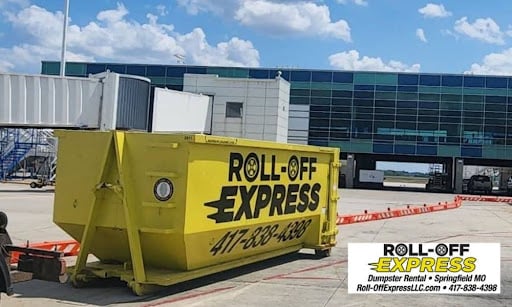
Roll-Off Express currently offers dumpster sizes starting at 15 yards, which gives homeowners more practical clearance for furniture-heavy cleanouts than the smaller 10 yard format provides.
Will a Standard Couch Fit
The short answer is yes, a standard couch fits in a 10 yard dumpster. But with conditions. Most three-seat sofas measure between 84 and 96 inches long, 32 to 38 inches deep, and 30 to 36 inches tall. Laid flat on its back inside a 10 yard container, the length fits within the 12-foot interior. The depth and height become the challenge.
A couch placed flat takes up a significant portion of the container’s usable floor space. That leaves less room for anything else you plan to toss alongside it. If the couch cushions are removable, pulling them off and stacking them separately frees up visible space and makes better use of the container’s interior footprint.
Sectional sofas are a different story entirely. A large L-shaped sectional can stretch 110 to 130 inches on one side and 80 to 100 inches on the other. That size does not lay flat inside most 10 yard containers without pieces hanging over the edge or blocking the load from being covered for transport.
What Else Fits Alongside a Couch
Assuming the couch goes in flat and the cushions are stacked, here is what typically fits alongside it in a 10 yard container:
- A loveseat or armchair broken down or laid flat
- A coffee table with legs removed
- A small bookshelf or media console
- Several bags of miscellaneous household junk
- Throw rugs rolled and placed vertically along the sidewall
What does not fit well alongside a couch in a 10 yard:
- A second full-size sofa
- A queen or king mattress without significant stacking
- Large dining tables with leaves in
- Multiple dressers or armoires
The 10 yard format works for targeted, single-room furniture swaps. It gets tight fast when the cleanout expands to multiple rooms or includes larger mixed pieces.
When Sizing Up Makes More Sense
The EPA notes that furniture and furnishings including sofas, tables, chairs, and mattresses accounted for 12.1 million tons of municipal solid waste generated in 2018 alone. Furniture cleanouts are one of the most common dumpster rental use cases, and undersizing is the most common mistake renters make.
If your cleanout involves any of the following, sizing up to a 15 or 20 yard container makes practical sense:
- Multiple rooms of furniture being cleared at once
- A full bedroom set including frame, dresser, and nightstands
- Mattresses in addition to sofa and seating
- Mixed furniture and renovation debris in the same load
- A sectional sofa or oversized living room pieces
A 15 yard container adds roughly two feet of sidewall height over the 10 yard format. That extra clearance makes loading large furniture significantly easier and allows for a fuller, more efficient load without pieces jutting over the rim.
How to Load Furniture the Right Way
Loading order matters as much as container size. Poor loading habits waste cubic footage and create stability problems during transport.

Follow this sequence for a furniture-heavy load:
- Place the heaviest, flattest items on the bottom first
- Lay the sofa flat on its back or side depending on which orientation takes less floor space
- Remove all removable cushions, legs, and drawers before loading
- Stack chairs seat-to-seat to nest them together
- Fill gaps around large pieces with bags of soft debris
- Stand rolled rugs and mattresses vertically along the container walls
Breaking furniture down before loading is the single most effective way to get more into a single container. A sofa with legs removed drops two to four inches in height. A bed frame broken into flat sections stacks flush against the floor. Small adjustments like these can mean the difference between one rental and two.
Items That Cannot Go In With the Furniture
A furniture cleanout sometimes uncovers other items that look like fair game but are not. Keep these out of the container regardless of where they are found during the cleanout:
- Old tube televisions and CRT monitors
- Vehicle batteries stored in a garage
- Propane tanks or gas cans
- Wet paint cans found in closets or storage areas
- Fluorescent light fixtures or bulbs
These items require separate disposal channels. Setting them aside during the cleanout keeps the load clean and avoids surcharges or pickup delays.
Getting the Right Size From the Start
Furniture cleanouts work smoothly when the container size matches the actual scope of the job. A couch fits in a 10 yard dumpster under the right conditions. But a full room or multi-room cleanout almost always benefits from stepping up to a 15 or 20 yard option.
Dumpster rentals do not have to be a guessing game. Our team at Roll-Off Express helps you think through the load before delivery so you get the right container the first time. Visit us to learn more about available sizes, or call us at (417) 838-4398 to talk through your project before booking.